

Tooth decay usually starts small, and most people don’t realise it’s happening until a cavity or toothache appears. Small changes, such as white spots, sensitivity, or mild discomfort, are often early warning signs that something is wrong. Recognizing these early signs can help prevent tooth decay before it becomes painful or requires extensive treatment.
At Malpas Dental Surgery, many dental problems seen later could have been prevented if these early signs had been noticed and treated sooner.
What Is Tooth Decay?
Tooth decay develops when plaque, a sticky film of bacteria, builds up on the teeth. These bacteria feed on sugars from food and drinks and produce acids that slowly weaken the tooth’s outer layer (enamel). If this process continues, cavities form and can spread deeper into the tooth.
Early Signs of Tooth Decay You Should Watch For
1. White or Chalky Spots on Teeth
One of the earliest signs of tooth decay is the appearance of white or dull patches on the tooth surface. These spots indicate early enamel damage caused by mineral loss.
This is often the first clue when people ask what does tooth decay looks like.
2. Sensitivity to Hot, Cold, or Sweet Foods
If you notice a sharp or lingering sensation when eating or drinking something hot, cold, or sweet, it may be an early warning sign. Sensitivity often appears before visible cavities form.
This is a common way people start to wonder how to know if they have a cavity.
3. Brown or Dark Marks on Teeth
As decay progresses, white spots may turn brown or darker. These marks are sometimes mistaken for stains but can indicate a developing cavity.
4. Rough or Uneven Tooth Surface
If your tongue keeps catching on a certain tooth or an area feels rough, it could be one of the early signs of a cavity in a tooth, especially on the chewing surfaces.
5. Mild Toothache or Pressure
Early decay doesn’t always cause severe pain. A dull ache, discomfort while chewing, or pressure in one area can still signal a problem.
6. Persistent Bad Breath or Bad Taste
When decay-causing bacteria build up, they can cause ongoing bad breath or an unpleasant taste that doesn’t improve with brushing.
What Does Tooth Decay Look Like as It Progresses?
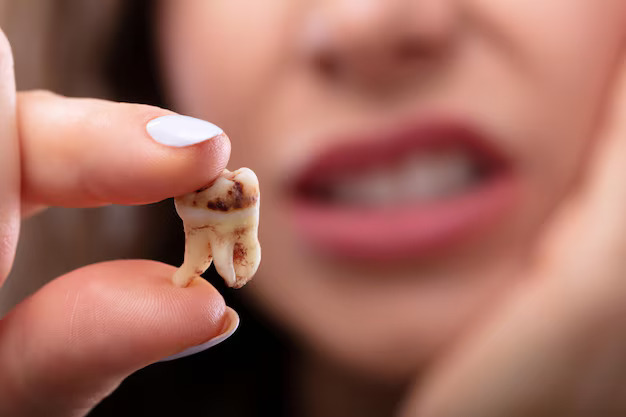
- Early stage: White or chalky spots
- Developing stage: Brown or dark areas, sensitivity
- Advanced stage: Visible holes, pain, swelling, or infection
Many cavities are not visible without a dental examination, which is why regular check-ups are important.
How to Stop Tooth Decay Before It Gets Worse
Maintain Strong Daily Oral Care
- Brush twice a day using fluoride toothpaste
- Use dental floss or interdental brushes to clean between your teeth every day.
- Rinse after meals when brushing isn’t possible
Reduce Sugar and Acid Intake
Frequent sugary snacks and drinks increase acid attacks on teeth. Limiting these helps slow down decay.
Don’t Ignore Early Symptom
White spots, sensitivity, or discomfort should not be ignored. Early-stage decay can often be stabilised before a cavity forms.
Schedule Regular Dental Check-Ups
Routine examinations allow early detection of changes you may not notice yourself. At Malpas Dental Surgery, check-ups focus on identifying decay early and preventing further damage wherever possible.
Why Early Treatment Matters
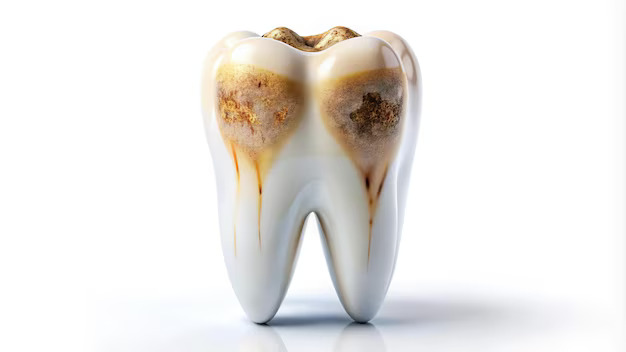
Addressing decay early can:
- Prevent pain and infection
- Reduce the need for fillings or root canal treatment
- Preserve natural tooth structure
- Save time and treatment costs
When to Seek Professional Advice
If you notice any signs of tooth decay, are unsure how to know if you have a cavity, or have persistent sensitivity or discomfort, it’s best to seek advice early rather than wait.
Malpas Dental Surgery supports patients with preventive care, early diagnosis, and clear guidance to help keep teeth healthy and strong for the long term.
Final Thought
Tooth decay often gives small warning signs long before it becomes painful or serious. Paying attention to changes in how your teeth look or feel – and knowing when to act- can help protect your natural teeth for years to come. When caught early, many dental problems are easier to manage and may not require complex treatment.
At Malpas Dental Surgery, the focus is on early detection, prevention, and guiding patients before minor issues turn into major concerns. Regular check-ups and timely advice can make a lasting difference to your oral health.