

Dry mouth, medically called xerostomia, is more than just an uncomfortable sensation. It happens when your mouth doesn’t produce enough saliva, and when it becomes chronic, it can significantly impact your dental health and quality of life. Understanding the causes, symptoms, complications, and care strategies helps you protect your teeth and gums effectively.
What Is Dry Mouth (Xerostomia)?
Dry mouth occurs when the salivary glands don’t produce enough saliva to keep your mouth moist and functioning normally. Occasional dryness can happen when you’re dehydrated or anxious, but persistent dry mouth may indicate an underlying issue that needs attention.
Saliva plays a vital role in oral health. It lubricates tissues, helps digest food, neutralizes acids, removes bacteria, and protects teeth from decay and gum disease. When saliva flow is low, these protective benefits are lost.
Why Saliva Matters for Dental Health
Healthy saliva:
- Prevents Tooth Decay
It neutralizes acids that attack your enamel and washes away food particles and bacteria. - Protects Gums
Saliva helps maintain balanced oral bacteria and prevents infections and inflammation. - Aids Comfort and Function
It helps you speak, chew, and swallow smoothly – functions that become painful or difficult without enough moisture.
Without adequate saliva, your risk for cavities, gum disease, mouth sores, and bad breath increases rapidly.
Who Gets Dry Mouth? Causes You Should Know
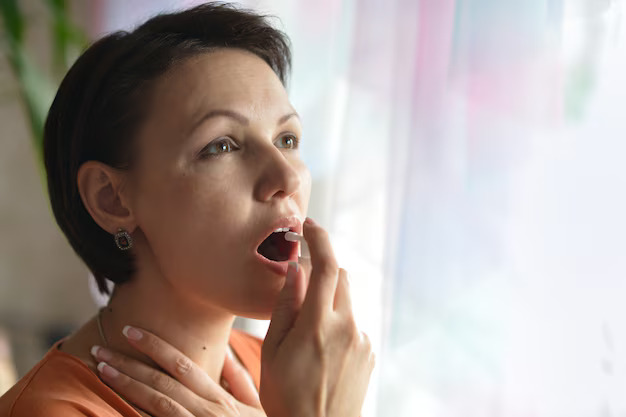
Dry mouth can affect anyone – but it’s more common in:
1. People on Certain Medications
Many prescription and over-the-counter drugs list dry mouth as a side effect – including antihistamines, antidepressants, pain medicines, decongestants, and some blood pressure drugs.
2. Dehydrated Individuals
Saliva flow can be decreased by dehydration.
3. Those With Underlying Health Conditions
Diabetes, Alzheimer’s, stroke recovery, salivary gland problems, and autoimmune disorders like Sjögren’s syndrome can contribute to xerostomia.
4. Cancer Treatment Patients
Radiation and chemotherapy – especially in the head and neck region – can damage salivary glands and reduce saliva production.
5. Mouth Breathers & Lifestyle Factors
Breathing through the mouth during sleep, as well as tobacco, alcohol, and caffeine use, can worsen dryness.
Recognizing the Symptoms Early
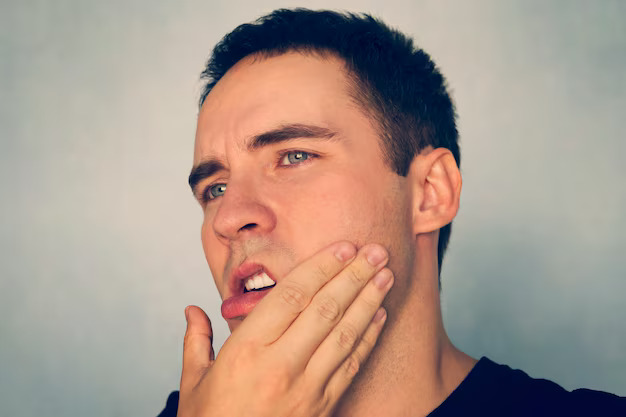
Dry mouth symptoms go beyond “sticky saliva.” Watch for:
- Constant dry, sticky feeling in the mouth
- Trouble chewing, swallowing, or speaking
- Sore throat or hoarseness
- Cracked or chapped lips
- Bad breath that won’t go away
- Increased cavities or gum problems
- Thick or stringy saliva
- Altered taste sensation
- Trouble wearing dentures comfortably
If these persist for weeks, it’s not just dryness – it’s xerostomia. Early recognition helps prevent complications.
How Dry Mouth Harms Your Dental Health
Increased Tooth Decay & Cavities
Without enough saliva to clear acids and debris, plaque builds up and attacks enamel, leading to decay.
Gum Disease Risk
Dry gums are more susceptible to infection and inflammation (gingivitis/periodontitis).
Oral Infections
Fungal infections like thrush are more common with xerostomia.
Cleveland Clinic
Bad Breath
Bacteria thrive when moisture is low, leaving persistent halitosis.
Difficulty Eating & Speaking
Chewing and swallowing without saliva can make meals uncomfortable or painful
Dental Diagnosis: What Happens at the Dentist
During an exam, your dentist will:
- Check saliva levels and moisture
- Look for cavities, gum inflammation, and mouth sores
- Review medications and hydration habits
- Detect early signs of xerostomia before symptoms worsen
This is where Malpas Dental Surgery plays an important role.
Our dentists are trained to identify dry mouth signs early, helping prevent enamel damage and gum issues before they become serious. A timely dental evaluation can dramatically reduce long-term complications.
Treatments & Long-Term Management
There’s no single cure for xerostomia, but there are effective strategies to boost saliva and protect your smile.
1. Hydration Is Foundation
Sip water throughout the day and especially with meals to help wash food particles and stimulate saliva.
2. Stimulate Saliva Production
Sugar-free gum or sugar-free candies (especially those with xylitol) help trigger saliva flow and reduce cavity risk.
3. Prescription & OTC Aids
Your dentist may recommend saliva substitutes, moisturizing mouth sprays, or chewable saliva stimulants.
4. Adjust Medications
If your medications cause dry mouth, your doctor might adjust the dosage or change drugs when possible. Always consult a professional before changing any prescription.
5. Humidify Your Environment
Using a cool-mist humidifier while sleeping can help keep your mouth and airways moist at night.
6. Diet Tips
Avoid dry, spicy, salty, or extremely sugary foods, as they can irritate a dry mouth and increase the risk of decay.
Preventive Dental Care Tips
- Brush twice daily with fluoride toothpaste
- Floss daily to reduce plaque build-up
- Use alcohol-free mouthwash
- Visit your dentist regularly
- Increase water intake
- Avoid tobacco and excess alcohol
Good oral hygiene and routine dental check-ups are critical – they help catch early issues triggered by dry mouth before they worsen.
Final Takeaway
Dry mouth may seem like a minor issue, but it can have a major effect on your dental health if left untreated. With the right habits, clinical guidance, and personalised care, xerostomia can be managed effectively.
At Malpas Dental Surgery, we help patients understand the cause of their dryness, protect their teeth, and maintain a healthy saliva balance for long-term oral comfort.