

At Malpas Dental Surgery, we regularly see patients experiencing stress-related dental issues without recognizing the root cause. Understanding how stress affects your teeth and gums can help you take early action and protect your long-term oral health.
The Link Between Stress and Oral Health
Stress causes the body to release chemicals like cortisol and adrenaline. While these hormones are designed to help us respond to challenging situations, prolonged stress can weaken the immune system and increase inflammation throughout the body, including in the gums.
Stress also changes daily habits. People under pressure may skip brushing and flossing, consume more sugary foods and drinks, sleep poorly, or clench their jaw unconsciously. Over time, these habits can increase the risk of dental problems and gum disease.
Teeth Grinding and Jaw Clenching
One of the most common ways stress affects your teeth and gums is through bruxism, also known as teeth grinding or jaw clenching. This often happens during sleep, but some people clench their teeth throughout the day without noticing.

Common signs of stress-related teeth grinding include:
- Waking up with jaw pain or headaches
- Tooth sensitivity
- Worn or flattened teeth
- Cracked or chipped teeth
- Tightness in the jaw or face
- Clicking in the jaw joint
Constant pressure from grinding can slowly wear down the enamel, making teeth weaker and more sensitive. In severe cases, it may also contribute to temporomandibular joint (TMJ) problems, affecting comfort while chewing or speaking.
Stress and Gum Disease
Stress can also make your gums more vulnerable to infection and inflammation. High stress levels may reduce the body’s ability to fight harmful bacteria, increasing the risk of gingivitis and periodontitis.
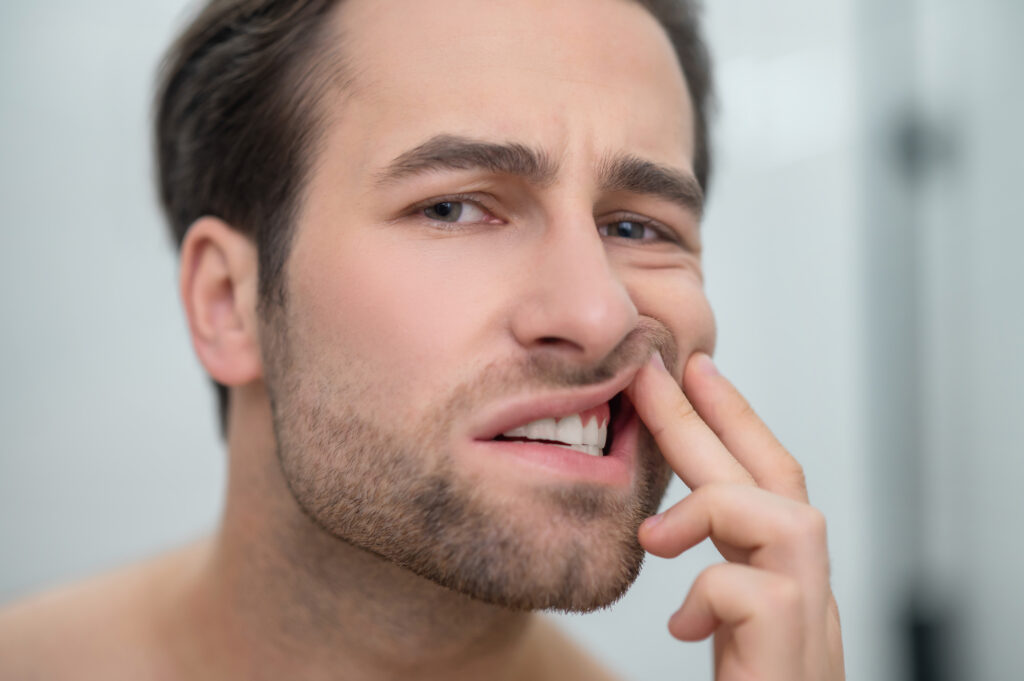
Early signs of gum disease may include:
- Red or swollen gums
- Bleeding while brushing or flossing
- Persistent bad breath
- Gum tenderness
- Receding gums
Gum disease can worsen and finally result in tooth loss if treatment is not received. Research continues to highlight the close relationship between gum health and overall health, including inflammation-related conditions.
Dry Mouth Caused by Stress
Many people experience dry mouth during stressful periods. Stress and anxiety can reduce saliva production, leaving the mouth feeling dry and uncomfortable. Saliva plays an important role in protecting teeth by washing away bacteria and neutralising acids.
Without enough saliva, the risk of cavities, bad breath, and gum irritation increases. Some stress-related medications may also contribute to dry mouth symptoms.
Mouth Ulcers and Soft Tissue Irritation
Stress is often linked to recurring mouth ulcers and irritation inside the mouth. While ulcers can have several causes, emotional stress is considered a common trigger. These painful sores may appear on the cheeks, lips, gums, or tongue and can make eating or speaking uncomfortable.
Stress can also lead to habits such as cheek biting or lip chewing, which may further irritate the soft tissues inside the mouth.
Poor Oral Habits During Stressful Periods
When life becomes busy or overwhelming, oral hygiene routines are often neglected. Stress may cause people to:
- Skip brushing or flossing
- Consume more sugary snacks and acidic drinks
- Smoke more frequently
- Drink more caffeine or alcohol
- Delay dental appointments
These behaviours foster the ideal conditions for gum disease, tooth decay, and plaque buildup.
How to Protect Your Teeth and Gums From Stress
Although stress is a normal part of life, there are several ways to reduce its impact on your oral health.
- Maintain a Consistent Oral Hygiene Routine
- Stay Hydrated
- Be Aware of Teeth Grinding
- Manage Stress in Healthy Ways
- Attend Regular Dental Check-Ups
When to See a Dentist
If you notice ongoing jaw discomfort, bleeding gums, increased tooth sensitivity, headaches, or changes in your oral health during stressful periods, it is important to seek professional advice. Early treatment can prevent long-term damage and help keep your teeth and gums healthy.
At Malpas, we provide personalized dental care to help patients manage both the symptoms and causes of stress-related oral health problems. Whether you are experiencing teeth grinding, gum irritation, or dry mouth, our team is here to help protect your smile and support your long-term dental health.