

Have you ever felt a sudden sharp pain when enjoying an ice cream or sipping a cold drink?
At first, it might seem like nothing. But that small twinge could be your tooth’s way of warning you that decay has started.
The good news? A cavity doesn’t automatically mean losing a tooth.
In many cases, a simple tooth filling can stop the problem before it becomes painful, expensive, or more difficult to treat.
At Malpas Dental Surgery, we often meet patients who feel nervous when they hear they need a filling. However, modern dental fillings are quick, comfortable, and one of the easiest ways to restore a damaged tooth and protect your smile.
In this guide, we’ll explain what tooth fillings are, how they work, and why early tooth decay treatment can save you time, money, and discomfort.
Quick Facts About Tooth Fillings
| Question | Answer |
| What is a tooth filling? | A treatment used to repair a tooth damaged by decay. |
| Is getting a filling painful? | Modern fillings are usually comfortable with local anaesthetic. |
| How long does treatment take? | Most fillings can be completed in a single visit. |
| Can fillings stop tooth decay? | Yes, they remove the damaged area and protect the tooth. |
| How long do fillings last? | Often, many years with proper care and regular check-ups. |
What Is Tooth Decay?

One of the most prevalent dental issues affecting both adults and children is tooth decay. It begins when oral bacteria consume carbohydrates from meals and beverages. These bacteria produce acids that slowly attack the outer layer of your teeth, known as enamel. Over time, the enamel begins to weaken, and small holes called cavities can form.
If left untreated, the decay can spread deeper into the tooth and lead to:
- Tooth sensitivity
- Toothache
- Infection
- Damage to the tooth nerve
- Tooth loss
This is why early tooth decay treatment is always recommended.
What Are Tooth Fillings?
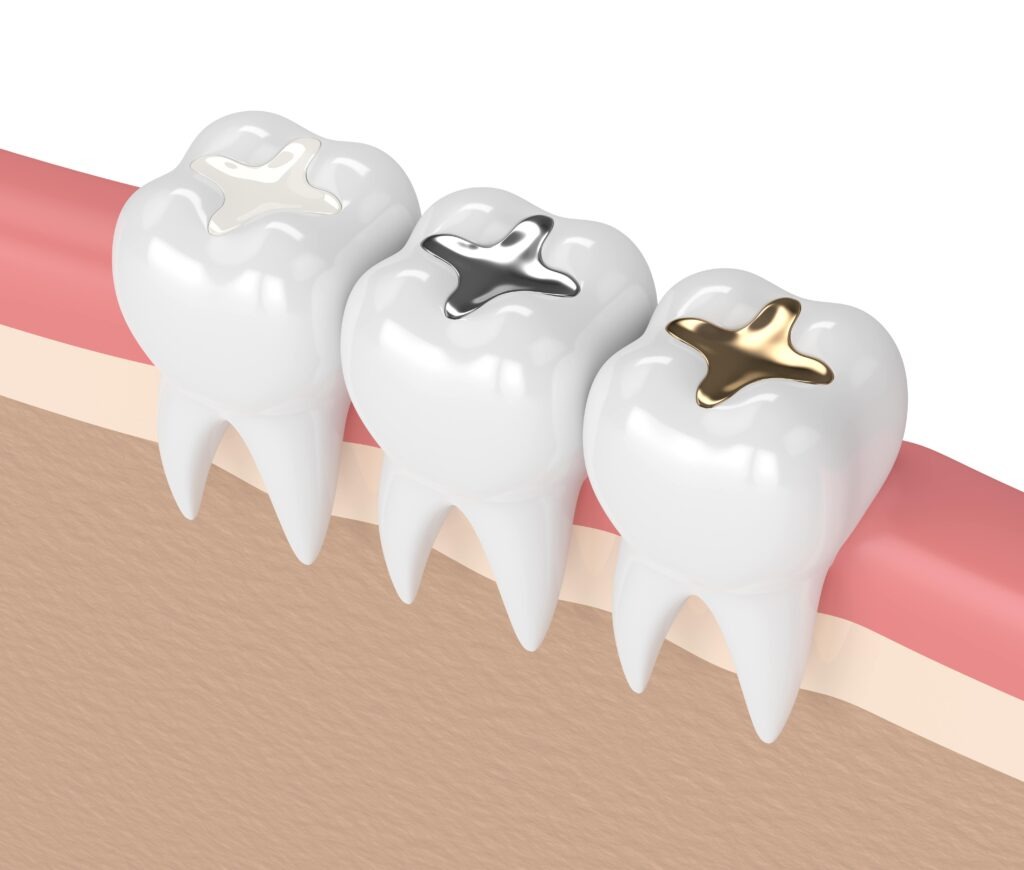
One typical dental procedure performed to fix a tooth damaged by decay is a tooth filling. The decayed part of the tooth is carefully removed, and the space is filled with a durable material. This restores the tooth’s strength, shape, and function.
Dental fillings also help prevent bacteria from entering the damaged area and causing further problems
The best part? Modern fillings can be matched to the colour of your natural teeth, making them almost impossible to notice.
Types of fillings
Tooth-Coloured Fillings
These are among the most popular options available today.
Benefits include:
- Natural appearance
- Blends with surrounding teeth
- Ideal for visible areas of the mouth
- Strong and durable
Amalgam Fillings
These silver-coloured fillings have been used for many years.
Benefits include:
- Very durable
- Suitable for back teeth
- Long-lasting under heavy chewing forces
Your dentist can discuss which option is best for your smile.
6 Signs You May Need a Filling
Many cavities don’t cause pain straight away. Based on this, it’s important to identify the early warning signs.
You may need a filling if you notice:
- Sensitivity to hot or cold foods
- Pain when eating sweets
- A visible hole in your tooth
- Dark spots or staining
- Food gets trapped in the same area
- Toothache that comes and goes
If any of these symptoms sound familiar, it’s worth booking a dental check-up before the problem becomes worse.
Why It’s Important Not to Delay Treatment
A small cavity today can become a much bigger problem tomorrow. Many people put off getting treatment because they think the discomfort will be tolerable. Unfortunately, tooth decay doesn’t stop by itself.
Here’s what can happen if decay is ignored:
| Stage | What Happens |
| Early Decay | A small cavity forms in enamel |
| Untreated | Decay spreads deeper into the tooth |
| Advanced Decay | Pain and sensitivity increase |
| Infection | The nerve may become affected |
| Severe Damage | It can be necessary to have a root canal or an extraction. |
Treating decay early with a simple filling is usually the quickest and most cost-effective solution.
What Happens During a Tooth Filling Appointment?
One of the biggest surprises for patients is how simple the procedure actually is.
A typical filling appointment involves:
Step 1: Examination of the tooth
Step 2: X-rays if needed
Step 3: Numbing the area for comfort
Step 4: Removing the decayed portion of the tooth
Step 5: Cleaning the area thoroughly
Step 6: Placing and shaping the filling
Step 7: Give the filler a natural feel by polishing it.
For most patients, the entire treatment can be completed in a single visit.
Can Tooth Decay Be Prevented?
Although tooth fillings are highly effective, prevention is always the better option. The good news is that reducing your risk of cavities is often easier than people think.
Healthy habits that protect your teeth:
- Brush with fluoride toothpaste
- Floss daily
- Drink plenty of water
- Limit sugary snacks
- Visit your dentist regularly
- Attend professional hygiene appointments
Small daily habits can make a big difference to your long-term dental health.
Protect Your Smile with Early Treatment
Tooth decay is one of the most common dental problems, but it’s also one of the easiest to treat when caught early. Modern tooth fillings are safe, effective, and designed to restore your tooth while preventing further damage. If you’ve noticed sensitivity, discomfort, or think you may have a cavity, don’t wait for the problem to worsen.
The team at Malpas Dental Surgery is here to help. Contact us today to book an appointment and take the first step towards a healthier, stronger smile.