
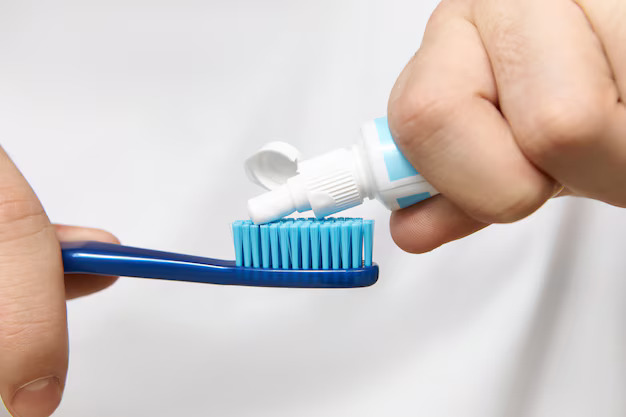
Fluoride is a widely discussed component of oral hygiene and is also frequently misunderstood. With growing awareness around oral health, many patients want to know what it actually does, whether fluoride toothpaste is safe, and if switching to fluoride-free toothpaste is a better option. Understanding the facts can help you make the right choice for your teeth and long-term oral health.
What Is Fluoride?
Fluoride is a naturally occurring mineral that helps prevent tooth decay. It’s naturally found in water, soil, and some foods, and it’s added to toothpaste because it strengthens tooth enamel so well.
When you brush your teeth, fluoride mixes with saliva and spreads over the tooth surface. It helps repair tiny damage in the enamel caused by everyday things like food, drinks, and bacteria. This damage is often invisible at first, but if left untreated, it can turn into cavities.
In simple words, fluoride works like a protective shield that keeps your teeth strong.
How Fluoride Works
Tooth enamel constantly goes through cycles of weakening and repair. Acids from food and bacteria can slowly wear it down. This is where fluoride plays an important role.
How fluoride works in daily oral care:
- Strengthens weakened enamel
- Helps repair early signs of tooth decay
- Makes teeth more resistant to acid attacks
- Reduces cavity-causing bacteria
Regular use of fluoride toothpaste helps keep enamel strong and lowers the chances of developing cavities.
Is Fluoride Toothpaste Safe to Use?
Yes, fluoride toothpaste is safe when used as directed. Dental formulations adhere to strict safety standards, and fluoride levels in toothpaste are carefully regulated.
Safe usage tips:
- Use a pea-sized amount for adults
- Children should brush under supervision
- Avoid swallowing toothpaste
When used correctly, fluoride offers protection without harming overall health.
Why Dentists Still Recommend Fluoride Toothpaste
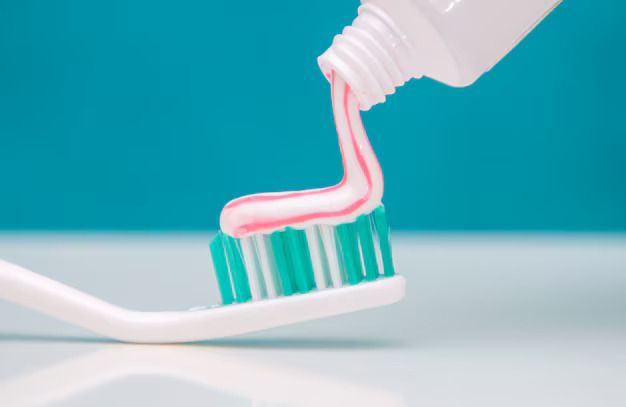
From regular check-ups to preventive care, fluoride toothpaste remains one of the most effective ways to reduce tooth decay. It helps avoid common problems like cavities, sensitivity, and enamel wear.
At Malpas Dental Surgery, we often see better long-term oral health in patients who use fluoride toothpaste consistently as part of their daily routine.
Fluoride Toothpaste vs Fluoride-Free Toothpaste
There are two options, but they fulfill different purposes.
Fluoride Toothpaste
- Provides proven cavity protection
- Strengthens enamel
- Recommended for most people
Fluoride-Free Toothpaste
- May suit individuals with very low cavity risk
- Often chosen for personal or ingredient preferences
- Does not provide the same decay protection
For patients prone to cavities, sensitivity, or gum recession, fluoride toothpaste is usually the better choice.
Who Benefits Most from Fluoride Toothpaste?
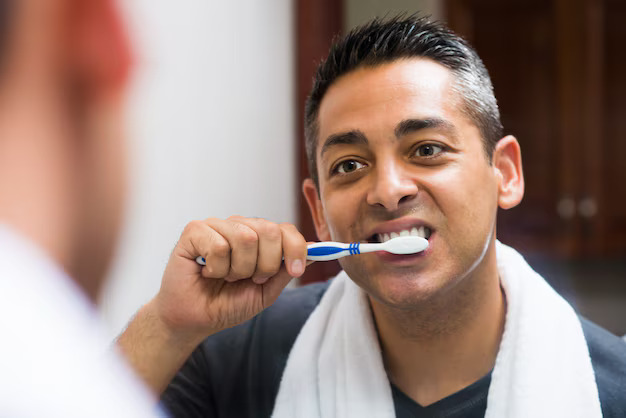
Fluoride toothpaste is especially helpful for:
- Children and teenagers
- Adults with a history of cavities
- People with sensitive or weakened enamel
- Patients with dry mouth or gum recession
- Individuals wearing braces or restorations
Final Thoughts
Fluoride has been used in dental care for many years for a simple reason – it works. When used properly, fluoride toothpaste strengthens teeth, reduces cavities, and supports long-term oral health. While fluoride-free toothpaste may suit a small group of people, fluoride toothpaste remains the best everyday choice for most patients.
If you’re still unsure which toothpaste is right for you, the team at Malpas Dental Surgery is always happy to help you choose the best option for your smile.