
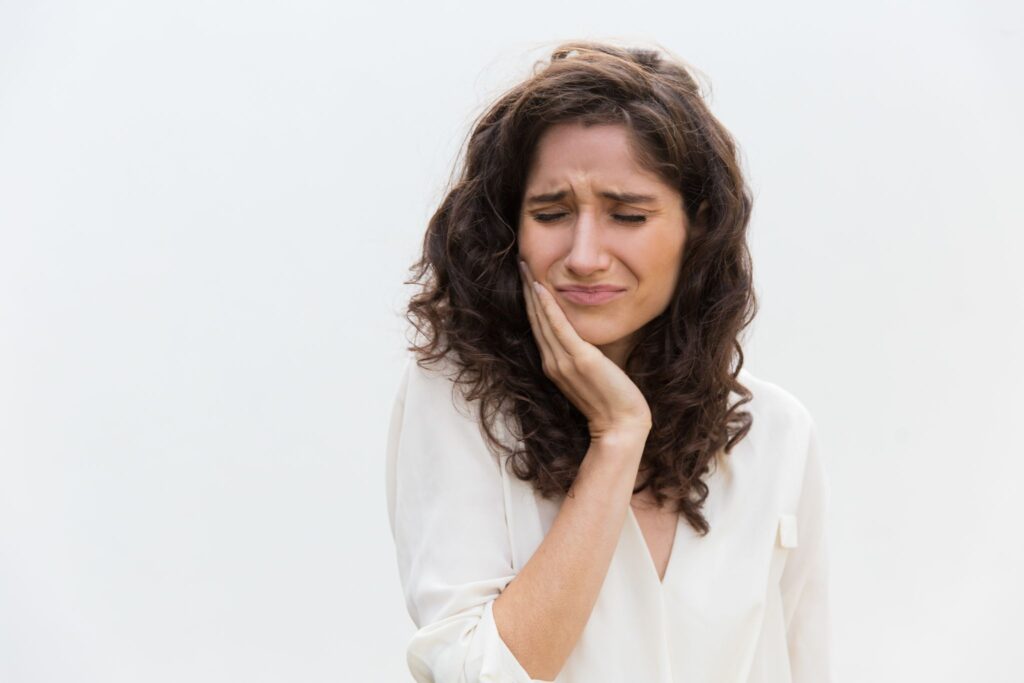
Most people know that sugary foods and poor brushing can affect their teeth. But some of the habits we barely think about every day can also cause damage over time.
Interestingly, this isn’t just something dentists talk about during appointments. A recent health feature published by Hindustan Times, based on advice from a Mumbai orthodontist, highlighted five common habits that quietly wear down teeth, damage enamel, and increase the risk of dental problems.
The good news is that most of these habits are easy to recognise and even easier to change once you’re aware of them.
At Malpas Dental Surgery, we often help patients identify these everyday behaviours during a routine dental check-up, allowing small issues to be addressed before they become bigger problems.
Let’s look at five teeth-damaging habits that deserve more attention.
1. Chewing Ice Might Feel Harmless, But Your Teeth Disagree
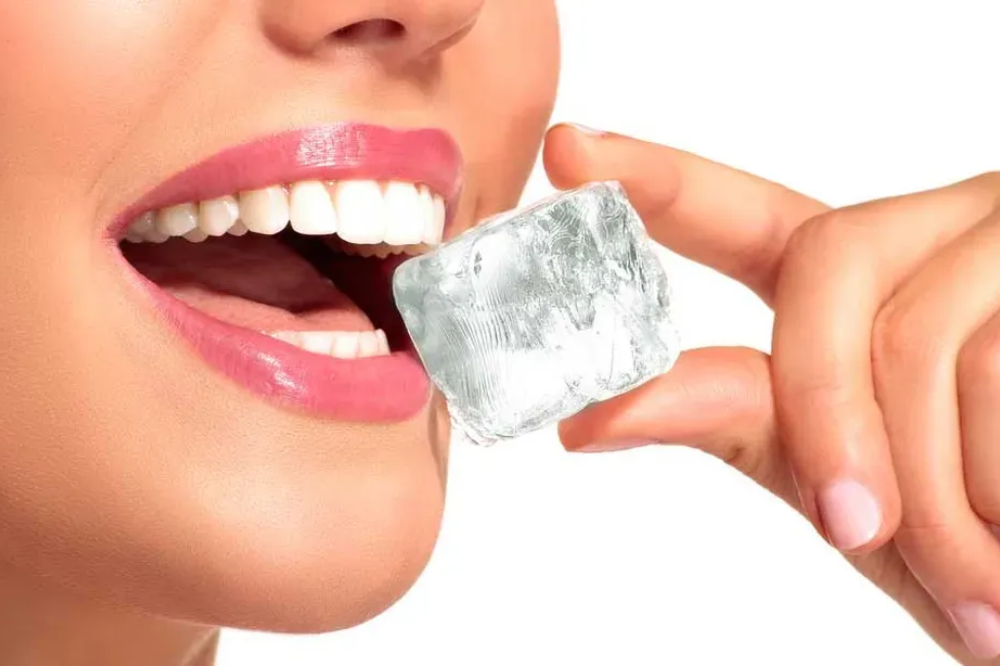
Some people chew the ice left at the bottom of a drink without giving it a second thought. It may feel satisfying, but your teeth aren’t designed to bite down on something that hard.
One of the questions dentists hear regularly is:
Can chewing ice crack your teeth?
The answer is yes.
While a single piece of ice may not cause immediate damage, repeated chewing puts unnecessary pressure on your teeth. Over time, this can lead to:
- Tiny cracks in the enamel
- Chipped teeth
- Worn dental fillings
- Increased tooth sensitivity
The risk is even higher if you already have fillings, crowns, or weakened teeth.
A better habit
If you enjoy the crunch, try letting the ice melt instead of chewing it. If you find yourself craving ice regularly, it’s also worth mentioning it to your dentist or GP, as persistent ice chewing can sometimes be linked to underlying health conditions.
2. Brushing Harder Doesn’t Mean Brushing Better
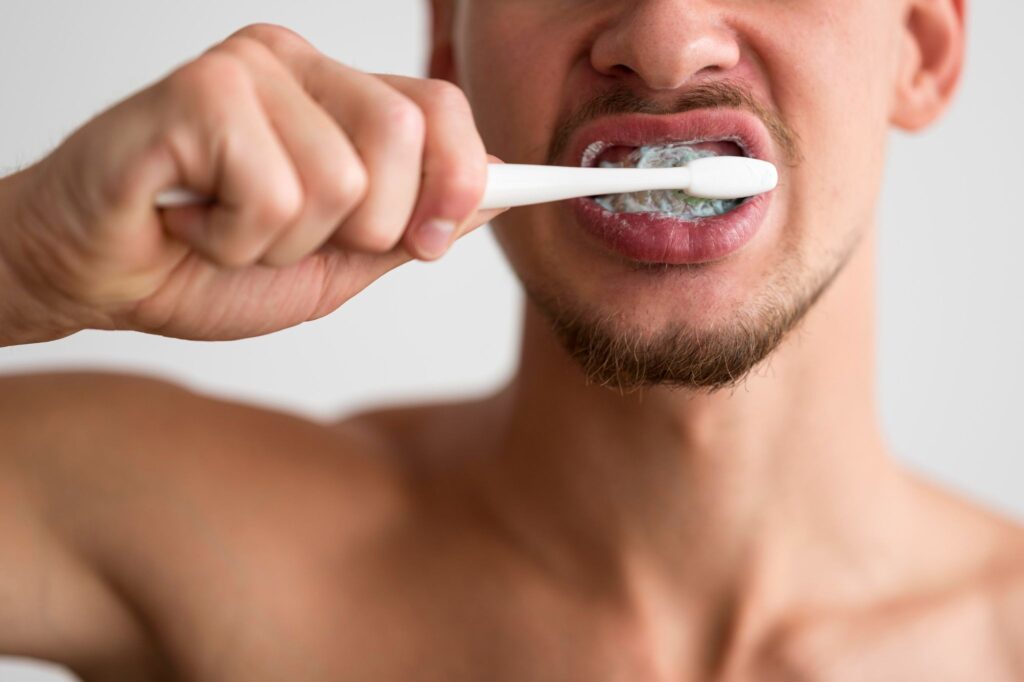
Many people believe that applying extra pressure while brushing will leave their teeth cleaner.
In reality, brushing too hard often does more harm than good.
Aggressive brushing can gradually wear away enamel and irritate your gums, leading to sensitivity and gum recession.
Signs you may be brushing too hard
| You Notice | It Could Mean |
| Tooth sensitivity | Enamel may be wearing down |
| Receding gums | Excessive brushing pressure |
| Frayed toothbrush bristles after a few weeks | You’re brushing too forcefully |
| Small notches near the gumline | Long-term abrasion |
A better habit
Use a soft-bristled toothbrush and gentle, circular movements rather than scrubbing back and forth. A good brushing technique is far more effective than brushing with force.
3. Nail Biting Affects More Than Your Nails
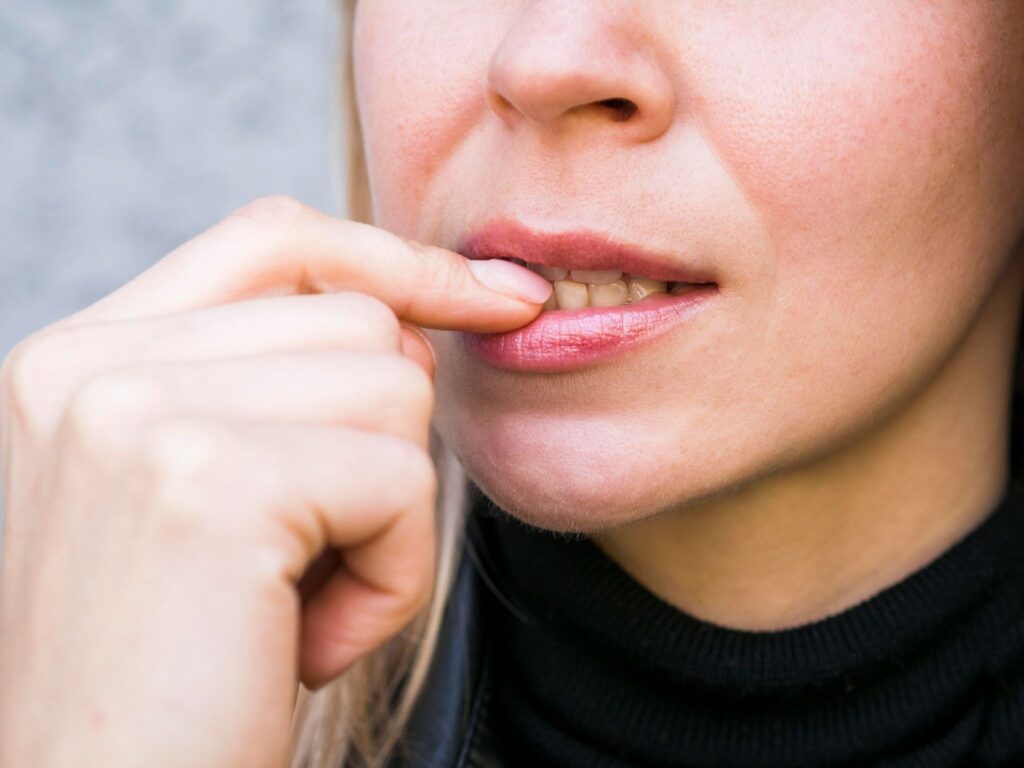
For many people, nail biting happens without even thinking about it. Stress, concentration, or boredom often triggers the habit.
Unfortunately, your teeth end up taking the pressure.
Regular nail biting can:
- Chip the edges of your teeth
- Place stress on the jaw joints
- Wear down enamel
- Increase the chance of small fractures over time
Your fingernails can also carry bacteria, making the habit less than ideal for your overall oral health.
A better habit
If nail biting tends to happen during work or while watching television, keeping your hands occupied with another activity can help reduce the habit over time.
4. Mouth Breathing Can Dry Out Your Mouth
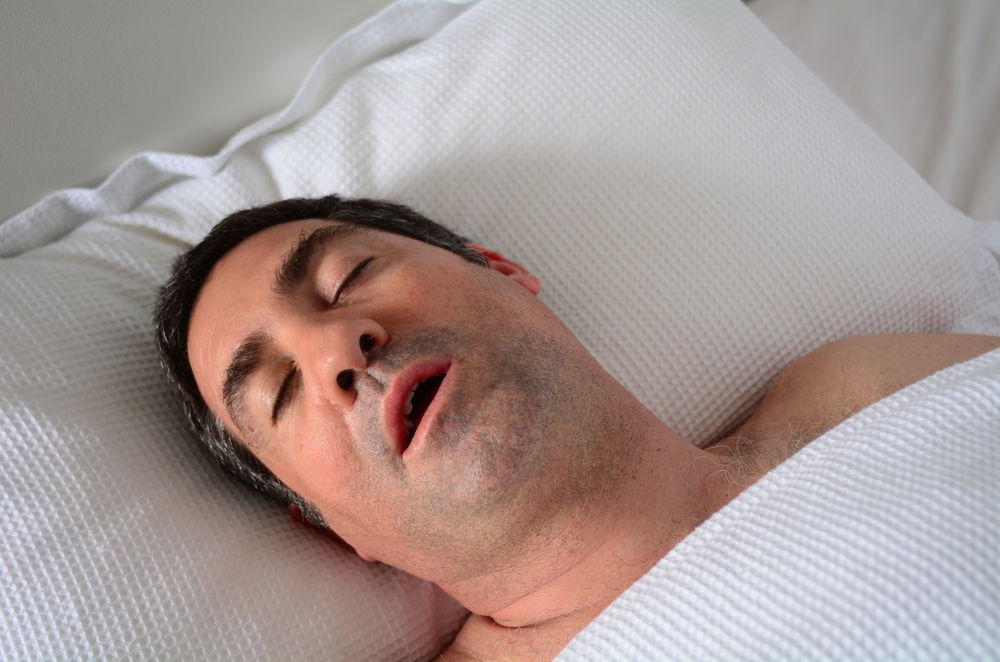
Breathing through your mouth occasionally isn’t usually a concern.
However, mouth breathing, especially while sleeping, can affect your oral health if it becomes a regular habit.
By removing food particles and neutralizing acids, saliva plays a crucial function in keeping your teeth safe.
When your mouth stays dry for long periods, it becomes easier for bacteria to grow.
Common problems linked to mouth breathing include:
- Dry mouth
- Bad breath
- Higher risk of tooth decay
- Increased plaque build-up
- Gum irritation
If you regularly wake up with a dry mouth or snore heavily, it’s worth mentioning it during your next dental appointment.
5. Energy Drinks Are Tough on Tooth Enamel

Energy drinks may provide a quick boost during a busy day, but they can also expose your teeth to large amounts of sugar and acid.
The combination is particularly damaging because acids soften enamel while sugar feeds the bacteria responsible for tooth decay.
How energy drinks and teeth are connected
| What’s in Energy Drinks? | How It Affects Your Teeth |
| Acid | Gradually wears away enamel |
| Sugar | Increases the risk of cavities |
| Frequent sipping | Extends acid exposure throughout the day |
A better habit
If you do drink energy drinks:
- Avoid sipping them over several hours.
- Drink water afterwards.
- Wait around 30 minutes before brushing your teeth to allow enamel time to recover.
Small changes like these can reduce their impact on your smile.
Small Habits Add Up Over Time
None of these habits usually causes major damage overnight.
That’s what makes them easy to ignore.
A tiny enamel crack from chewing ice and teeth, gradual wear from brushing too hard, or years of nail biting may not seem serious at first. But together, they can contribute to problems that require more extensive dental treatment later on.
The earlier these habits are recognised, the easier it is to prevent long-term damage.
How Malpas Dental Surgery Supports Your Oral Health
At Malpas Dental Surgery, we know that good oral health isn’t just about treating cavities or repairing damaged teeth. It’s also about helping patients understand the everyday habits that affect their smiles.
Whether you’re concerned about sensitivity, enamel wear, or want reassurance that your teeth are healthy, our team takes the time to identify early signs of damage and offer practical advice tailored to your lifestyle.
Regular appointments allow us to monitor changes over time, answer your questions, and help you protect your teeth with simple preventive care.
If it’s been a while since your last routine dental check-up, or you’ve noticed any of the habits mentioned above, we’re here to help.
Learn more about our services or book an appointment by visiting:
Malpas Dental Surgery
Final Thoughts
The biggest threats to your teeth aren’t always obvious. Many of the most common teeth-damaging habits happen during everyday routines, often without us noticing.
Whether it’s wondering can chewing ice crack your teeth, brushing with too much force, biting your nails, breathing through your mouth, or regularly consuming energy drinks, these habits can gradually affect your oral health over time.
The encouraging news is that awareness is the first step. By making a few simple changes and attending regular dental check-ups, you can protect your teeth for years to come.
If you’re looking for friendly, preventative dental care in Cheshire, Malpas Dental Surgery is here to support you with practical advice, personalized care, and routine check-ups that help keep your smile healthy.