

It takes more than just brushing your teeth twice a day to maintain good oral hygiene. The way you brush, how you clean between your teeth, the toothpaste you use, and the habits you follow throughout the day can all affect the health of your teeth and gums. Plaque constantly forms on the teeth, and when it is not removed effectively, it can contribute to tooth decay, gum disease, and other oral health problems. A consistent routine at home, combined with regular dental care, is one of the simplest ways to protect your smile for the long term.
At Malpas Dental Surgery in Cheshire, preventive dental care forms an important part of maintaining healthy teeth and gums. But before your next check-up, it is worth asking yourself: Are you actually brushing and flossing as effectively as you could?
What Does Good Oral Hygiene Really Mean?
Good oral hygiene means keeping your teeth, gums, and mouth clean enough to minimise the build-up of plaque and reduce the risk of common dental problems. It entails more than just cleaning your teeth’s exposed surfaces.
A complete oral health hygiene routine should include brushing with fluoride toothpaste, cleaning between your teeth, limiting frequent sugary foods and drinks, and attending dental check-ups when recommended.
A healthy daily routine should include:
- Brushing your teeth twice a day
- Using fluoride toothpaste
- Cleaning between your teeth every day
- Observing the back teeth and gum line
- Limiting frequent sugary snacks and drinks
- Drinking water regularly
- Replacing your toothbrush or brush head when needed
- Keeping up with routine dental examinations
These habits work together. While interdental cleaning reaches regions that toothbrush bristles cannot properly clean, brushing eliminates plaque from tooth surfaces.
Are You Brushing Your Teeth the Right Way?
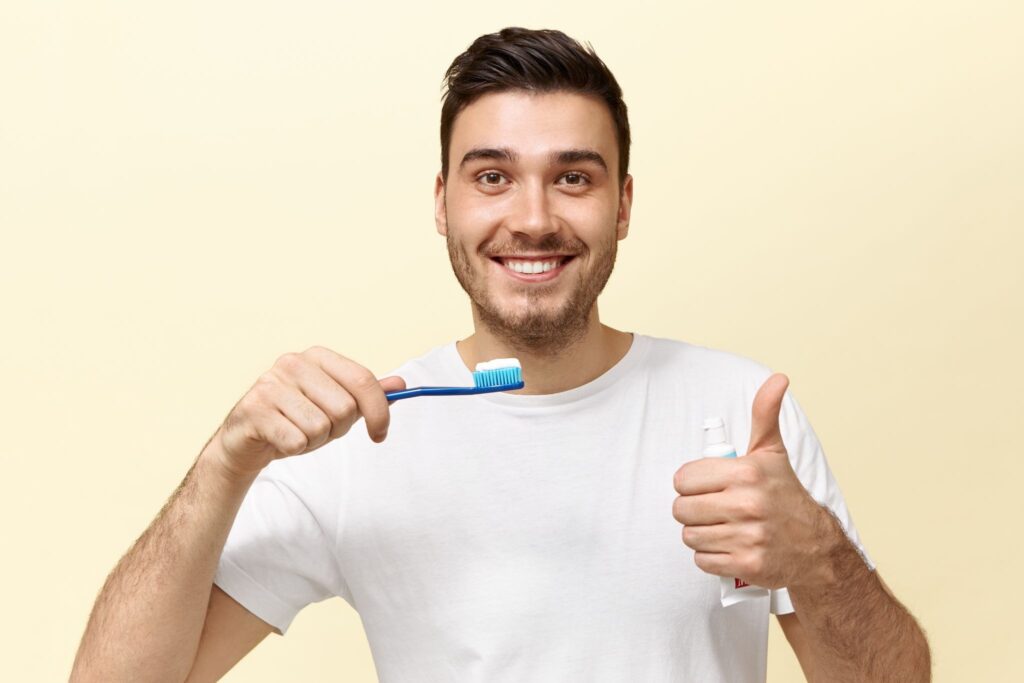
Even if you wash your teeth twice a day, if your method is hurried or uneven, you may still overlook crucial areas. The NHS advises using fluoride toothpaste and brushing twice a day for around two minutes, particularly before bed.
The objective is thorough plaque removal rather than aggressive scrubbing. Applying too much pressure does not make teeth cleaner and can be uncomfortable for your gums.
How to brush your teeth effectively
1. Use fluoride toothpaste
Fluoride helps strengthen enamel and protect teeth against decay. Adults should generally use a toothpaste containing an appropriate level of fluoride.
2. Spend around two minutes brushing
Give each section of your mouth enough attention instead of concentrating only on the front teeth.
3. Clean all tooth surfaces
Make sure you reach:
- The outer surfaces of your teeth
- The inner surfaces
- Chewing surfaces
- Along the gumline
- The back teeth
4. Use gentle, controlled movements
Rather than scrubbing forcefully, use small, controlled movements and allow the toothbrush to do the work.
5. Don’t forget your back teeth
Molars are particularly easy to overlook because they are difficult to see and reach. Take a little extra time to clean them properly.
6. Spit instead of immediately rinsing
After brushing, spit out the excess toothpaste rather than rinsing your mouth immediately with water. This allows more fluoride to remain on your teeth.
Flossing: Are You Cleaning Between Your Teeth?
Brushing cannot properly reach every surface between your teeth. This is where flossing and interdental cleaning become important.
If you only floss when you have food stuck between your teeth, you are missing one of its main purposes. Interdental cleaning helps remove plaque from the spaces where toothbrush bristles have limited access.
For some people, traditional dental floss works well. For others, interdental brushes may be more suitable, particularly where there are larger spaces between the teeth.
How to clean between your teeth
- Gently guide the floss between two teeth.
- Avoid snapping or forcing it against your gums.
- Curve the floss around the side of one tooth.
- Move it gently up and down against the tooth surface.
- Repeat on the neighbouring tooth.
- Use a clean section of floss as you move around your mouth.
Common Oral Hygiene Mistakes to Avoid
Sometimes improving your oral health isn’t about adding another product to your bathroom shelf. It is simply about correcting habits that reduce the effectiveness of your existing routine.
Are you making any of these mistakes?
Brushing too hard: More pressure doesn’t mean better plaque removal. Excessive force can irritate the gums and contribute to tooth wear.
Rushing your two-minute brushing routine: Spending only 30 or 40 seconds brushing may leave several areas untouched.
Ignoring the gumline: Plaque can collect where your teeth meet your gums, making this an important area to clean carefully.
Only flossing occasionally: Interdental cleaning works best as part of your everyday routine rather than something you do only when food becomes trapped.
Rinsing immediately after brushing: Water can wash away some of the fluoride left behind by toothpaste.
Using mouthwash immediately after brushing: Depending on the type of mouthwash, using it straight after brushing can reduce the amount of fluoride remaining from your toothpaste. If you use a fluoride mouthwash, using it at another time of day can be more appropriate.
Ignoring bleeding gums: Occasional bleeding can occur when someone starts cleaning between their teeth, but persistent bleeding, swelling or tenderness should be discussed with a dental professional.
Can Your Diet Affect Your Oral Hygiene?
Your toothbrush is only one part of your oral health routine. What you eat and drink also matters.
Frequent consumption of sugary foods and drinks gives bacteria in dental plaque more opportunities to produce acids that can contribute to tooth decay. Acidic drinks can also contribute to enamel erosion.
This doesn’t mean you need to completely avoid every food you enjoy. Instead, consider how often your teeth are exposed to sugar and acidic drinks.
Simple choices that support oral health
- Choose water as your everyday drink.
- Keep sugary snacks to a minimum.
- Avoid frequent grazing on sweets throughout the day.
- Choose balanced meals and nutritious snacks.
- Be mindful of sugary drinks, including between meals.
- If you consume acidic drinks, avoid brushing immediately afterwards.
Small changes can make your daily oral health routine more effective without making it unnecessarily complicated.
When Should You See a Dentist?
Even an excellent home-care routine cannot replace professional dental examinations. Some dental problems can develop without obvious symptoms, which is why routine appointments are important.
You should also speak to your dentist if you notice:
- Bleeding or swollen gums
- Persistent bad breath
- Tooth sensitivity
- Toothache
- Loose teeth
- Pain when chewing
- Changes in the appearance of your gums
- Persistent plaque or tartar build-up
At Malpas Dental Surgery, patients can access routine dental examinations and hygiene care designed to support ongoing oral health. Professional hygiene appointments can also help remove deposits such as tartar that cannot be effectively removed with normal brushing at home.
Keep Your Smile Healthy with Malpas Dental Surgery
Good oral hygiene starts with what you do at home, but professional guidance can help you stay on track. Regular examinations allow your dental team to monitor your teeth and gums, identify potential problems early, and provide advice suited to your individual oral health needs.
If you’re due for a dental check-up or want advice on improving your brushing and interdental cleaning routine, Malpas Dental Surgery can help.
Want to take better care of your smile? Contact us to arrange a dental check-up or hygiene appointment and get personalized advice for maintaining healthy teeth and gums.