

You’re eating, brushing your teeth, or simply going about your day when you suddenly notice something unusual – a small piece of filling in your mouth. It can be worrying, especially if you have no idea why it happened. You may immediately find yourself asking, “Why did my tooth filling fall out?”
The good news is that a lost filling does not always mean something serious has happened. However, it is important to have the tooth checked, as the filling may have come loose because of an underlying problem.
At Malpas Dental Surgery, we often see patients who are unsure what to do after losing a filling. In this guide, we look at six common reasons fillings can fall out and what you should do if it happens to you.
1. The filling has simply worn down over time
Fillings do not last forever. Every time you bite and chew, your teeth and fillings are exposed to pressure. Over the years, this can cause a filling to gradually wear down, weaken, or become damaged.
How long a filling lasts can vary depending on the type of filling, where it is in your mouth, the size of the filling, and the amount of pressure placed on it. If your filling has been in place for many years, normal wear and tear may simply be the reason it has come out.
2. The tooth has developed decay around the filling
One of the most common reasons a filling may become loose is new tooth decay. A filling repairs an area of a tooth that has previously been affected by decay, but the rest of the tooth can still develop cavities.
If decay develops around the edge of an existing filling, the filling may no longer have enough healthy tooth structure to stay securely in place. This is why a lost filling should not simply be replaced without checking the tooth first. Your dentist will want to make sure there is no new decay underneath or around it.
3. The filling or tooth has cracked
Teeth can experience a lot of pressure, particularly when you bite down on harder foods. A large filling can also leave a tooth with less natural tooth structure around it. Over time, either the filling or the remaining tooth may crack.
Sometimes the crack is obvious. In other cases, you may simply notice that a piece of filling has fallen out. If the tooth feels sharp, painful, or sensitive after losing the filling, it is particularly important to have it assessed.
4. You have been biting or chewing something particularly hard
Your teeth are designed for eating food, but some things can put unusual pressure on them. For example, biting down on ice, hard sweets or other very hard objects can damage a filling or the tooth around it.
You may not even remember biting something particularly hard. A filling can loosen without causing immediate pain, so you might only notice it later. If you have recently lost a filling, it is sensible to avoid chewing hard foods on that side until the tooth has been checked.
5. The filling has become loose
Sometimes a filling can gradually lose its seal with the tooth. You might notice some sensitivity when eating or drinking, or you may feel that something is moving when your tongue touches the tooth.
A loose filling can eventually fall out completely.
This can happen for several reasons, including normal wear, changes to the tooth or pressure from biting. Your dentist can examine the tooth and determine whether the existing filling can be repaired or whether another treatment would be more appropriate.
6. The tooth has changed since the filling was placed
Your tooth is not completely static. Over time, changes can occur in the tooth and the surrounding tissues. Existing fillings can also be affected by repeated changes in temperature when you eat and drink.
If a filling has been in place for a long time, the relationship between the filling and the natural tooth may change. Sometimes this can eventually lead to part of the filling breaking away or the filling becoming loose.
What should you do if your filling falls out?
If your filling has fallen out, try not to panic. The most important thing is to contact your dentist and arrange an appointment so the tooth can be checked.
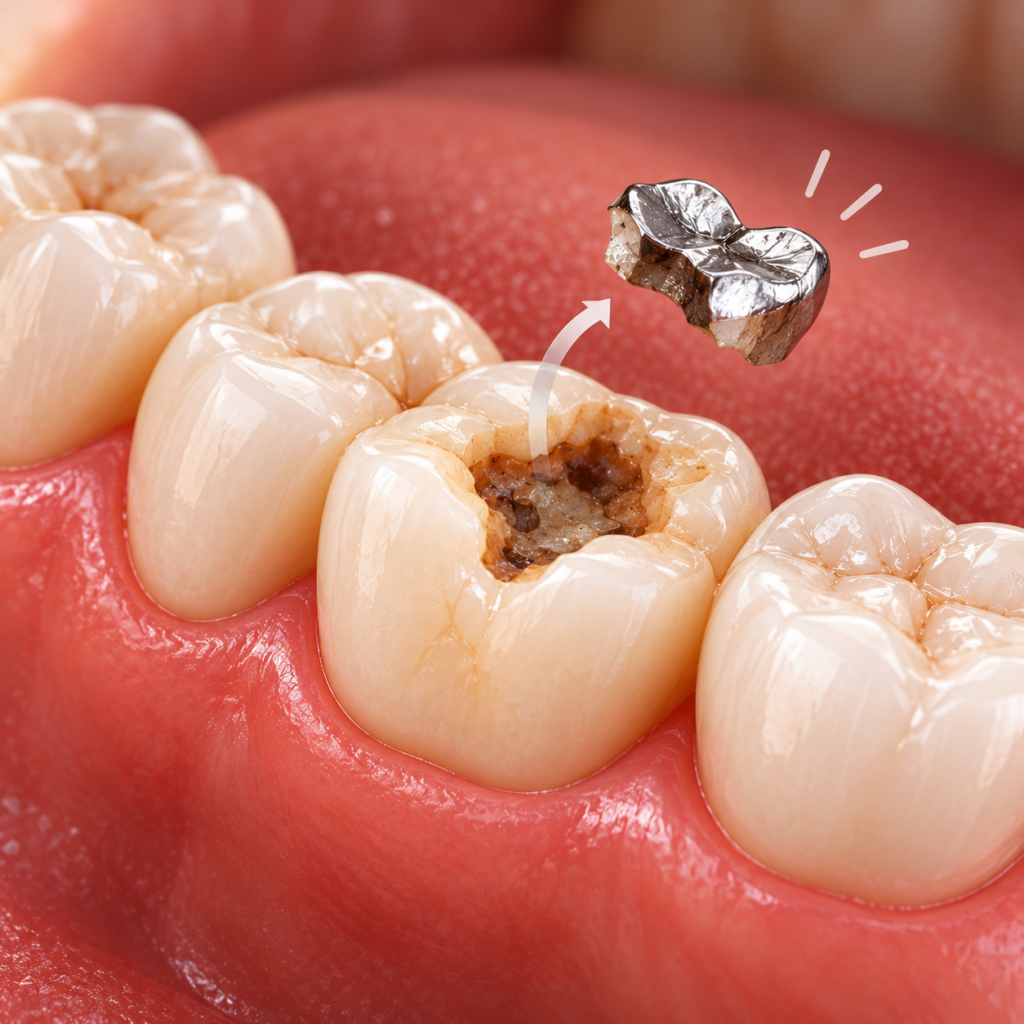
Until you are seen, you can:
- Keep the area clean by brushing gently
- Avoid chewing on the affected side
- Avoid very hard, sticky or chewy foods
- Take care when eating if the tooth feels sensitive
Keep any piece of the filling if you still have it, although it may not be possible to reuse it
Even if the tooth feels fine, it is still worth having it checked. A filling may have fallen out because of decay, a crack or another issue that needs attention.
What if your tooth hurts after the filling falls out?
Some sensitivity after losing a filling is quite common, particularly if the inside of the tooth has become exposed.
You may notice sensitivity to:
- Hot drinks
- Cold foods and drinks
- Sweet foods
- Pressure when biting
However, significant or worsening pain should not be ignored.
If you develop severe pain, swelling, or other concerning symptoms, contact your dentist promptly.
At Malpas Dental Surgery, we can assess the tooth and advise you on the most appropriate next step.
Will you always need a new filling?
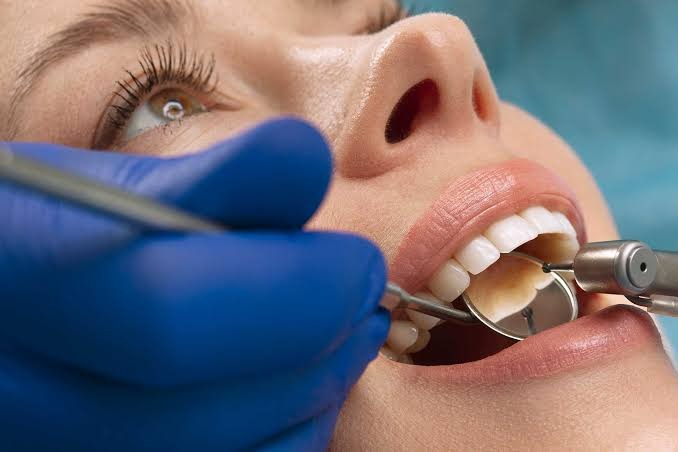
Not necessarily. Once your dentist has examined the tooth, there may be several possible options depending on what has happened. If the tooth is still healthy and there is enough strong tooth structure, replacing the filling may be all that is needed.
However, if the tooth has significant decay, a crack or has lost a large amount of its natural structure, another type of restoration may be more suitable. This could include a larger restoration such as a crown in some circumstances.
The important thing is that the treatment is based on the condition of the tooth rather than simply replacing the filling automatically.
Can a filling falling out be prevented?
While fillings cannot be expected to last forever, looking after your teeth can help protect both your fillings and your natural teeth.
Good everyday habits include:
- Brushing twice a day with fluoride toothpaste
- Cleaning between your teeth regularly
- Limiting sugary foods and drinks
- Avoiding chewing very hard objects
- Attending regular dental check-ups
Having problems with existing fillings checked rather than waiting for them to fall out. Regular dental appointments also allow your dentist to spot worn fillings, decay, or other problems before they become more serious.
When should you see a dentist?
If your filling has fallen out, it is best to arrange an appointment rather than simply waiting to see whether the tooth causes problems.
This is particularly important if you have:
- Persistent or severe toothache
- Swelling around the tooth
- Pain when biting
- Significant sensitivity
- A sharp edge that is irritating your tongue or cheek
- A large part of the tooth or filling missing
Getting the tooth checked early can help prevent a relatively small problem from becoming more complicated.
What matters most is finding out why it happened.
At Malpas Dental Surgery, we can examine the affected tooth, explain what we have found, and talk you through the treatment options available. We believe in keeping dental care straightforward and helping you understand what is happening before deciding on treatment.
If you have recently lost a filling or are experiencing discomfort from a damaged tooth, contact Malpas Dental Surgery to arrange an appointment and get the tooth checked.