
It can be frustrating to develop cavities even when you feel you’re doing your best to care for your teeth. Meanwhile, someone else may seem to have fewer problems despite similar routines. Tooth decay risk isn’t determined by one habit alone: it can be affected by how often you eat or drink sugary things, how well plaque is removed, saliva flow, fluoride exposure, the shape and position of your teeth, and your individual circumstances.
If you’re wondering why teeth decay so easily, the answer is usually a combination of factors, not a personal failing. Understanding what may be contributing can help you and your dentist make a practical prevention plan. At Malpas Dental Surgery, regular check-ups and personalised oral-health advice can help identify concerns early and support you in caring for your teeth.
How does tooth decay develop?
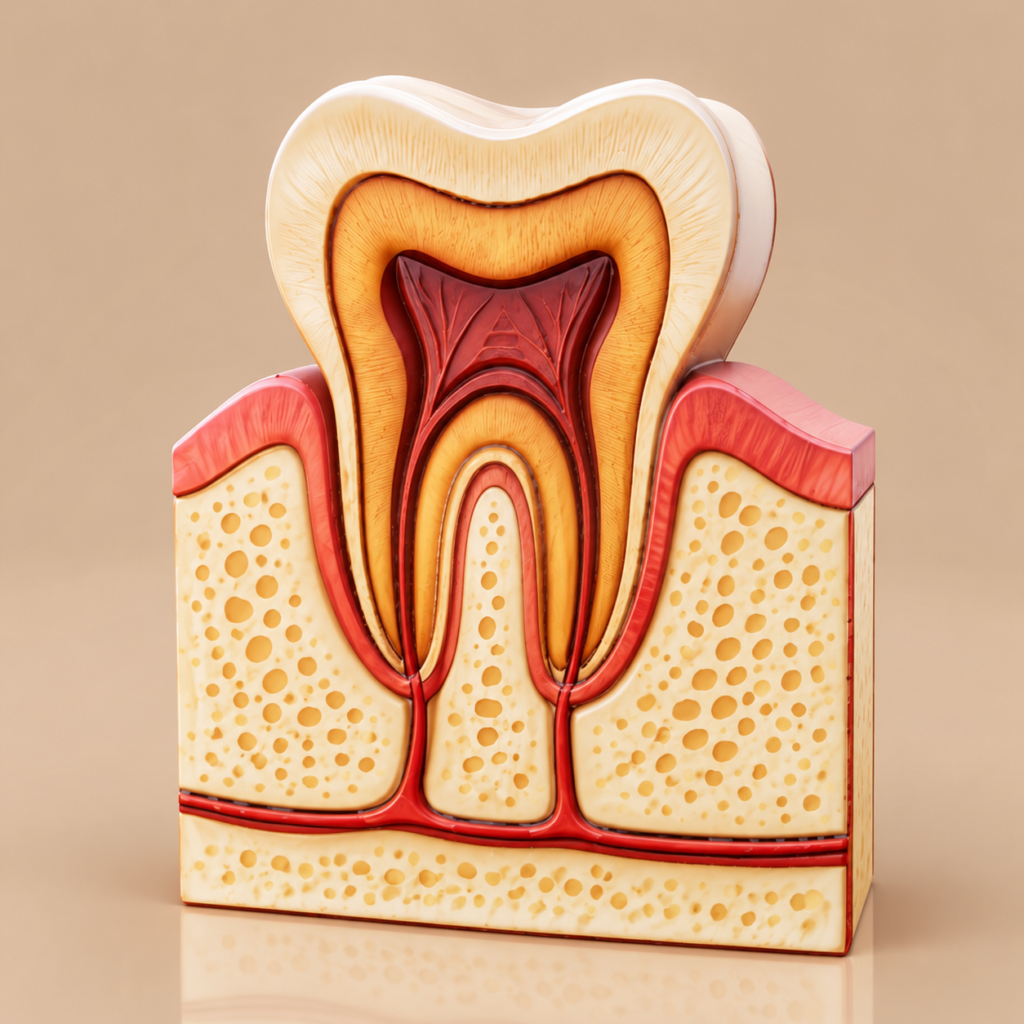
Stage 1
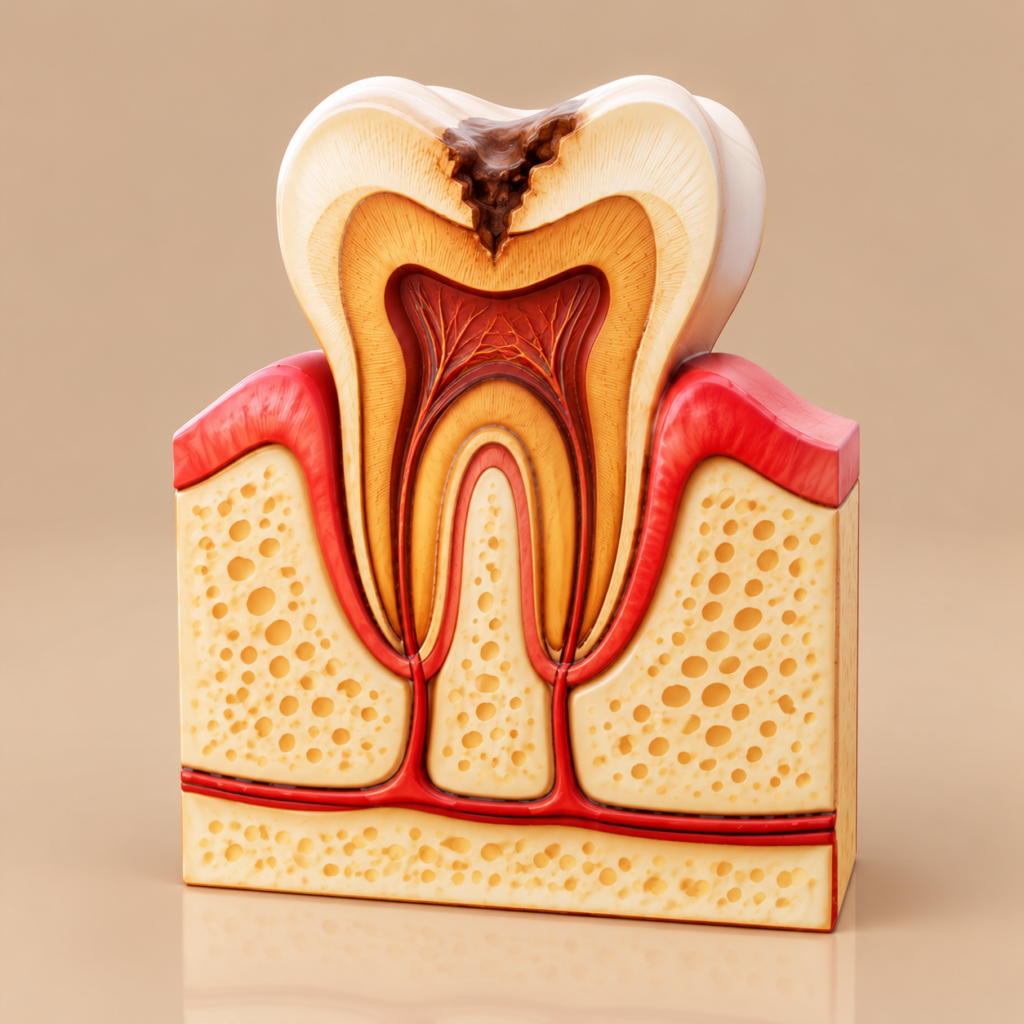
Stage 2
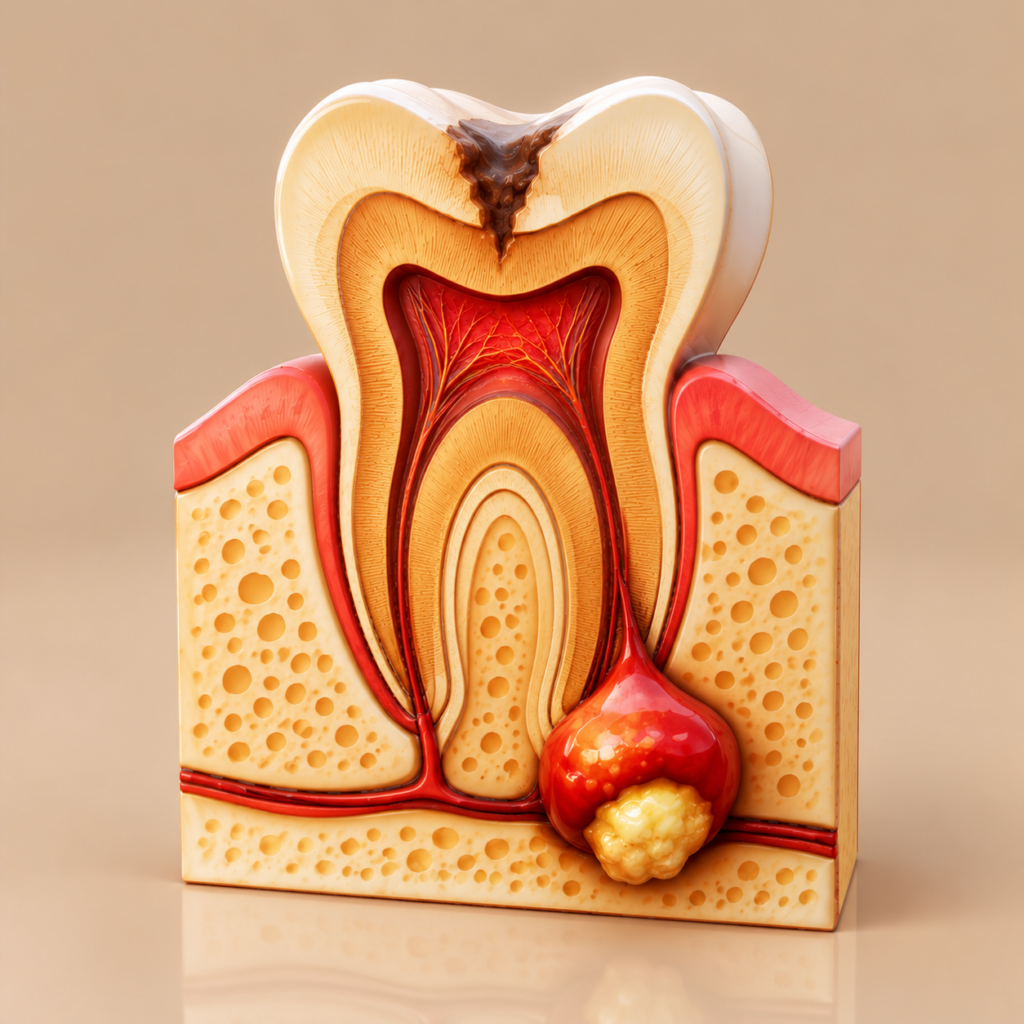
Stage 3
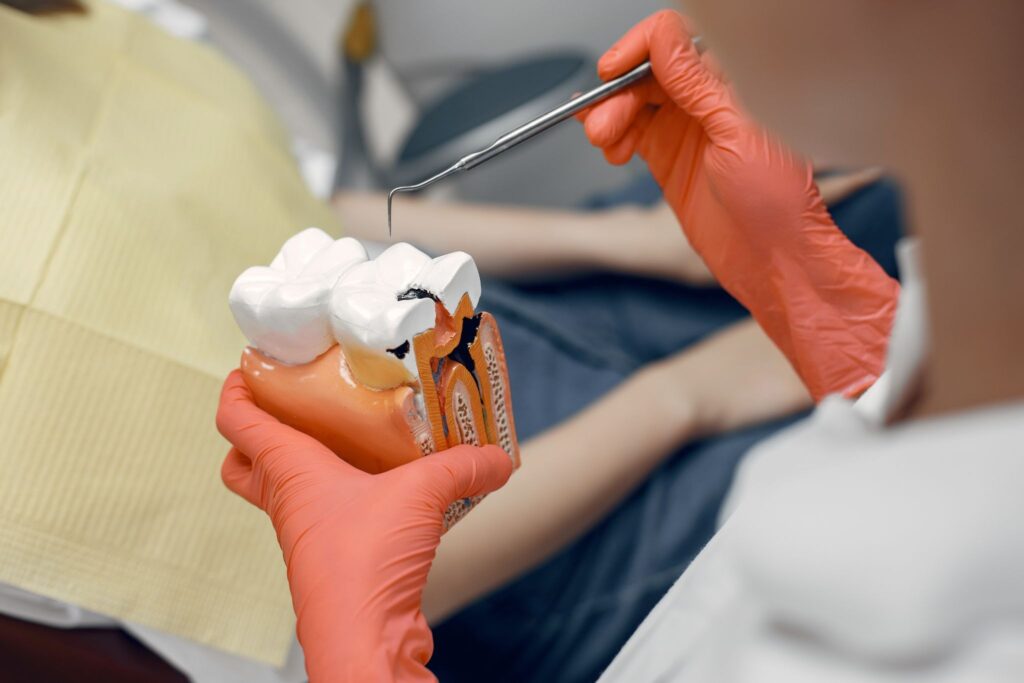
Tooth decay begins when plaque, a sticky film of bacteria, builds up on teeth. Bacteria in plaque use sugars from food and drinks to produce acids. Repeated acid attacks can gradually weaken tooth enamel and lead to a cavity. Sugary foods and drinks are a key risk factor, and frequent exposure can give teeth less time to recover between acid attacks.
Decay can develop without obvious symptoms at first. That’s one reason routine dental examinations matter: a dentist may spot early changes before you notice pain or a visible hole.
Why are some people more prone to cavities?
There is no single explanation for cavity-prone teeth. Your risk may be influenced by several factors, including:
- How often you have sugary food or drinks: Frequent snacking or sipping sweet drinks throughout the day can expose teeth to repeated acid attacks. It’s not only the amount of sugar that matters; how often your teeth encounter it can also play a role.
- Fluoride exposure: Fluoride helps protect enamel. Brushing with fluoride toothpaste supports this protection, while inadequate fluoride exposure can increase the chance of decay.
- Plaque removal: Brushing less than thoroughly or not cleaning between teeth can leave plaque in areas that are harder to reach.
- Tooth shape and position: Deep grooves in back teeth can trap food and plaque, making some areas more difficult to clean well.
- Dry mouth: Saliva helps wash away food and counter acids. Some medicines and health conditions can reduce saliva, which may increase the risk of decay. If you regularly experience a dry mouth, mention it to your dentist or doctor.
- Age and life stage: Children and teenagers can be more vulnerable to cavities, while older adults may face additional risk from gum recession, worn teeth, or medicines that reduce saliva.
- Existing dental work: Worn or damaged fillings and dental appliances that no longer fit well may create areas where plaque is harder to remove.
These factors don’t mean that a cavity is inevitable. They help explain why prevention may need to be tailored to the individual.
Can you be cavity-prone even if you brush regularly?
Yes. Brushing is essential, but it may not address every factor affecting your risk. For instance, plaque can remain between teeth or in the grooves of back teeth, while frequent sugary snacks, dry mouth, or limited fluoride exposure may also contribute.
If you’ve had several cavities, it can help to talk openly with your dentist about your everyday routine, diet, medicines, and any dry-mouth symptoms. The aim is to understand what might be increasing your risk, not to blame you, and identify changes that feel manageable.
Practical ways to reduce your risk
Small, consistent habits can help protect your teeth:
- Brush twice a day with fluoride toothpaste, and spit rather than rinsing straight after brushing.
- Clean between your teeth daily with floss or interdental brushes.
- Reduce how often you have sugary foods and drinks, especially between meals.
- Choose water between meals where possible.
- Keep up with dental check-ups and ask how often you should attend based on your oral health.
- Tell your dentist if you have a dry mouth, take regular medicines, or keep developing new cavities.
Your dentist may suggest additional preventive measures depending on your individual needs. The right advice can differ from person to person, so it’s worth discussing your history rather than relying on a one-size-fits-all routine.
When should you book a dental appointment?

Arrange an appointment if you have a toothache, sharp sensitivity when eating or drinking, or notice white, brown, or black marks on a tooth. Tooth decay may not cause symptoms in its early stages, so don’t wait for pain before seeking advice if you’re concerned.
At Malpas Dental Surgery, check-ups include looking for early signs of decay and offering advice on oral hygiene and prevention. The practice recommends that check-up frequency is based on your age, oral health, and risk factors rather than assuming everyone needs the same schedule.
A personalised approach to cavity prevention in Malpas
If you seem to get cavities more easily than other people, it doesn’t necessarily mean you’re doing something wrong. Tooth decay risk factors can overlap, and habits that work well for one person may not be enough for another. A dental check-up can help assess your teeth, identify areas that may need extra attention, and give you practical guidance suited to your circumstances.
Malpas Dental Surgery provides routine dental examinations, hygiene care, and personalised advice as part of its preventive approach. If you’re concerned about recurring cavities or want help understanding your risk, contact the practice to discuss arranging a check-up.